




You have decided it is time for a new roof. Maybe you spotted missing shingles after a storm, or maybe the leaks finally got too annoying to ignore. Now the big question hits: how long will strangers be on top of your house, and how long will your life be turned upside down? If you are planning roof replacement in Fort Wayne, the good news is that most projects move faster than people expect.
We are Hoosier Windows & Siding, and we have walked many homeowners through this exact process. You can learn more about everything we do at Hoosier Windows & Siding. In this guide, we break down the full timeline, from your first phone call to the final cleanup. We explain what speeds a job up, what slows it down, and how you can get ready. No surprises, no confusing jargon.
The Short Answer: How Long Does a Roof Replacement Take?
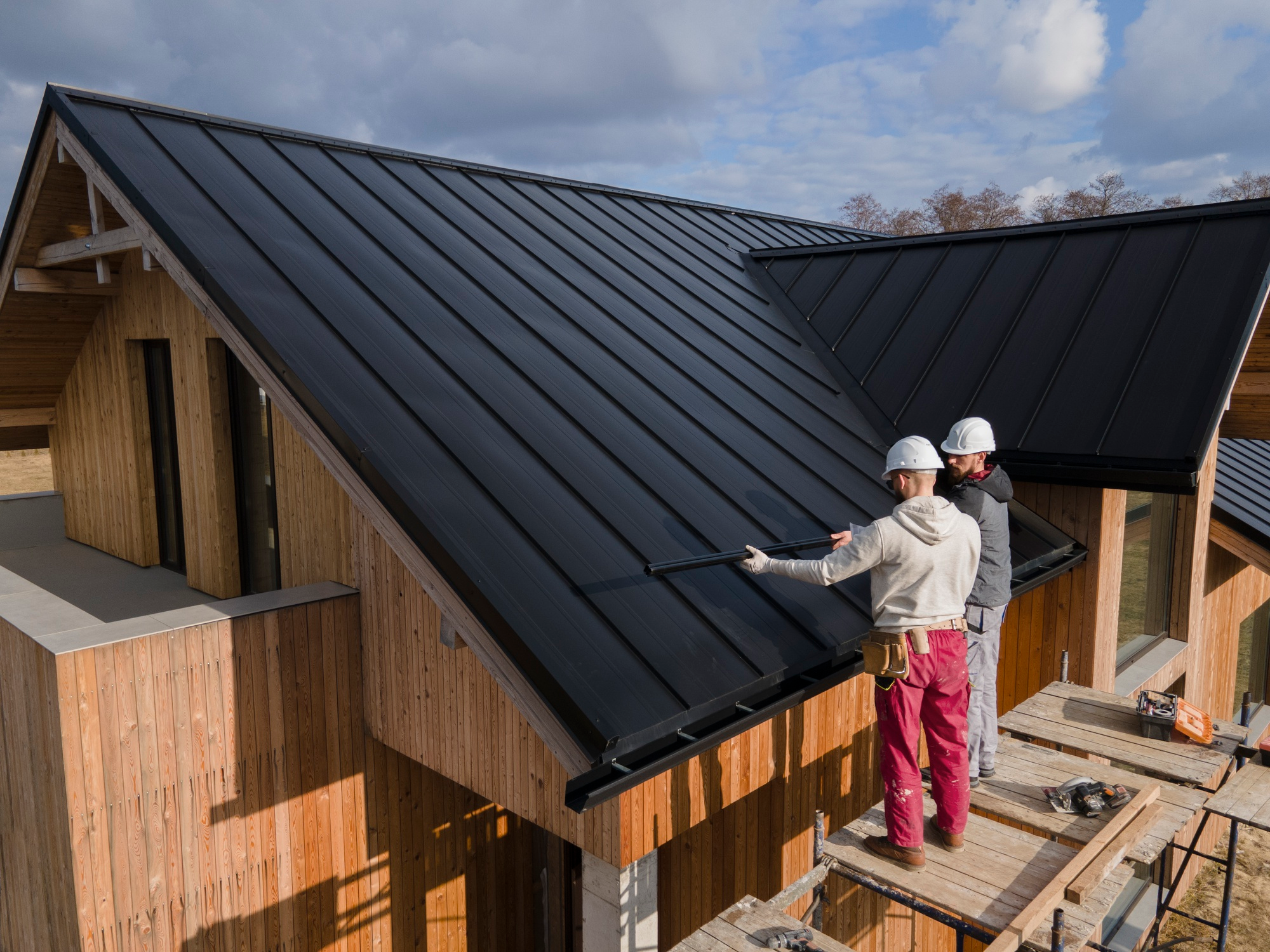
Most residential roof replacements take one to three days once the crew arrives at your home. A simple asphalt shingle roof on an average house often wraps up in a single day or two. A larger home, a steep roof, or a metal roofing system can take a bit longer.
That said, the work on your roof is only one part of the full timeline. Before the crew shows up, there are a few steps like inspection, estimate, material ordering, and scheduling. Here is a quick look at the whole picture.
| Stage | Typical Time |
|---|---|
| Free consultation and inspection | 1 to 2 hours |
| Written estimate and decisions | A few days |
| Choosing materials and colors | A few days to a week |
| Ordering and delivery of materials | A few days to 2 weeks |
| Scheduling the install date | Depends on season and weather |
| Roof installation | 1 to 3 days for most homes |
| Final cleanup and walkthrough | Same day or next day |
From the first call to a finished roof, many homeowners are done within two to six weeks. Busy seasons and weather can stretch that a little.
Step by Step: What Happens During a Roof Replacement
Knowing the steps takes away a lot of the stress. Here is how the process usually goes with our team.
Step 1: The Free In-Home Consultation
Everything starts with a visit. One of our consultants comes to your home, looks at your roof, and listens to what you want. We check for missing shingles, soft spots, worn flashing, and signs of water damage. We also look at your attic if needed, since problems often hide up there.
This visit usually takes an hour or two. It is a friendly, no-obligation chat, so feel free to ask as many questions as you like.
Step 2: Getting Your Estimate
After the inspection, we put together a clear estimate. It explains the work, the materials, and the cost. If you are dealing with storm damage, this paperwork can also be helpful when you talk to your insurance company.
Most homeowners take a few days to review their options. That is perfectly fine. A new roof is a big choice, and you should never feel rushed.
Step 3: Picking Your Materials and Colors
This is the fun part. Your roof is one of the biggest style statements on your home, so the color and material matter. You can choose from a wide range of shingle colors, from bold, dramatic tones to soft, classic shades. You can also go with metal roofing for a sleek, modern look and long-lasting strength.
Choosing can take a few days, especially if you want to see samples next to your siding and trim.
Step 4: Ordering Materials and Setting the Date
Once you say yes, we order your materials and plan your install date. Common shingles may arrive quickly. Special colors or metal panels may need more time. We also watch the weather forecast, because roofing needs dry conditions to be done right.
Step 5: Installation Day Begins
On the first morning, our crew arrives, sets up, and protects your property. We lay down tarps and covers to guard your landscaping, siding, and yard. Materials are delivered and staged safely. Then the real work starts.
Step 6: Tear-Off of the Old Roof
The crew removes the old shingles and other roofing materials down to the roof deck. This step creates a lot of noise and debris, but it also lets us see what is under your old roof. For an average home, tear-off usually takes a few hours to half a day.
Step 7: Inspecting and Repairing the Roof Deck
With the old roof gone, we check the wood deck for rot, soft spots, or water damage. Small repairs are done right away. If we find larger problems, we talk with you before moving ahead. This step is why a roof should never be installed over bad wood.
Step 8: Installing Underlayment and Protection
Next, we install the underlayment, which is a protective layer that sits between the deck and the shingles. We also add ice and water shield in key areas, along with drip edge and new flashing around chimneys, vents, and valleys. These details keep water out and are just as important as the shingles themselves.
Step 9: Installing the New Roof
Now the new roof goes on. Whether it is asphalt shingles or metal panels, the crew works across the roof in a careful pattern. Shingle roofs go on fairly fast. Metal roofing, like standing seam panels, takes more precision and can take longer.
Step 10: Ridge Caps, Vents, and Final Details
The ridge is capped, vents are set, and every edge is checked. These finishing touches protect the high points of your roof and help your attic breathe.
Step 11: Cleanup and Magnet Sweep
When the work is done, we clean your property from top to bottom. We pick up debris, gather old materials, and sweep the yard with a magnetic tool to catch stray nails. Your home should look as tidy as when we arrived.
Step 12: Final Walkthrough
We look over the finished roof with you, answer your questions, and make sure you are happy. You should feel proud when you pull into your driveway.
What Affects How Long Your Roof Replacement Takes?
Every house is different. Here are the big factors that can change the timeline.
Roof Size and Shape
A small ranch home is much quicker than a large two-story house with many sections. More square footage means more materials and more time.
Roof Pitch
A steep roof is slower and needs extra safety gear. A low-slope roof is easier to walk on and usually goes faster.
Roof Complexity
Valleys, dormers, skylights, chimneys, and many angles all add detail work. A simple roof is a quick job, while a complex one takes more care.
Material Choice
Asphalt shingles are the fastest to install. Metal roofing is a longer process because panels must be measured and fitted with great care. The extra time pays off, since metal can last 50 years or more with little upkeep.
Number of Layers
If your old roof has more than one layer of shingles, tear-off takes longer. Extra layers mean more weight, more debris, and more hours.
Hidden Damage
Rotted decking or damaged framing can add time. This is hard to know before the old roof is removed, which is why a good crew plans for it.
Weather
Rain, snow, high winds, and extreme cold can all pause a job. We never want to leave your home open to the elements, so we only tear off what we can cover and protect the same day.
Crew Size and Experience
A skilled, well-organized crew moves faster and makes fewer mistakes. Experience helps jobs flow smoothly from start to finish.
How Weather and Seasons Change the Schedule
Indiana weather has a mind of its own. It can be sunny at breakfast and stormy by dinner. That is why timing matters.
- Spring. This is a popular time for roof work, so schedules can fill up quickly. Rain can cause delays, but the mild temperatures are great for roofing.
- Summer. Long days mean more work gets done. Extreme heat can make shingles soft, so crews often start early.
- Fall. Many people consider this the best season. Weather is steady, and the temperatures are comfortable. It is also smart to finish before winter.
- Winter. Roofing is possible on mild days, but cold can make shingles brittle and sealing strips slower to bond. Snow and ice can also cause delays.
If you can, book early. Roofing companies get busy after big storms, so waiting can push your project further out.
How to Prepare Your Home for Roof Replacement
A little prep goes a long way. Here is what we suggest.
- Move vehicles. Park cars away from the house and driveway so crews can work freely.
- Clear the perimeter. Move patio furniture, grills, planters, and yard toys away from the walls.
- Take down wall items. Pounding on the roof can shake loose pictures, mirrors, and shelves inside your home.
- Protect the attic. Cover stored items, or move them out. Dust can drift down during tear-off.
- Tell your neighbors. A quick heads up about noise is a kind gesture.
- Plan for pets and kids. Noise and falling debris can scare pets and be unsafe for children. Keep them away from work areas.
- Mark sprinkler heads and garden items. This helps the crew avoid breaking them.
- Make sure we can reach your electrical outlets, if needed. Crews sometimes use power tools.
Will You Be Able to Stay Home During the Work?
Yes, in most cases you can stay home. The noise can be loud, and you may feel the house shake a bit. If you work from home, take calls, or have a baby napping, you may want to plan some time away. Many homeowners run errands or visit family for the day.
Roof Replacement or Repair: How to Decide
Not every roof needs a full replacement. Sometimes a smaller fix does the trick. Here are signs it might be time for a new roof.
- Your roof is 20 years old or more
- Shingles are curling, cracking, or missing
- You see granules in your gutters
- There are leaks or water stains on your ceilings
- The roof deck is sagging
- Daylight shows through the attic boards
- Storm damage has affected large areas
- Energy bills keep climbing for no clear reason
If you only have a few loose shingles, a repair may be all you need. But if you keep fixing the same roof again and again, replacing it can be the smarter long-term choice. Our team can look at your home and give you honest advice. When you are ready for a full upgrade, learn more about our roof replacement options built for Midwest weather.
Asphalt Shingles vs Metal Roofing: Time and Value
Many homeowners ask which option makes more sense. Here is a simple comparison.
| Feature | Asphalt Shingles | Metal Roofing |
|---|---|---|
| Install time | Often 1 to 2 days | Often 2 to 3 days or more |
| Lifespan | Shorter | 50 years or more |
| Upkeep | Low | Very low |
| Storm resistance | Good | Excellent against wind, fire, and hail |
| Energy efficiency | Good | Cool Roof technology can reduce cooling costs by up to 25% |
| Style choices | Many colors and looks | Corrugated and standing seam options |
Shingles give you classic charm and a friendly price. Metal gives you a permanent advantage, with strength that holds up against heavy hail, rapid temperature swings, and ice damming. Standing seam metal also has concealed fasteners and raised seams, which give a clean, modern look and strong defense against leaks.
How to Choose a Roofing Contractor in Fort Wayne, IN
The timeline depends heavily on who you hire. A strong crew keeps things on schedule and protects your home. When you search for a roofing contractor in Fort Wayne, IN, keep these points in mind.
- Local experience. A local team knows Indiana weather and local building needs.
- Written estimates. You should see the work, materials, and cost on paper.
- Clear schedule. A good contractor tells you when they will start and how long it should take.
- Property protection. Ask how they guard your yard, landscaping, and siding.
- Quality materials. Better products mean a longer lasting roof.
- Strong communication. You should get updates and honest answers.
- A real showroom. It is easier to trust a company you can visit in person.
We know hiring someone to work on your home is a big step. If you want to know who we are and what we stand behind, you can read about our promise and our team.
Common Reasons for Roof Replacement Delays
Even great plans can run into trouble. Here are the most common causes of delays, so you are not caught off guard.
- Bad weather. Rain and wind can push the start date back by a day or more.
- Material shortages. Special colors or metal panels may take longer to arrive.
- Hidden rot. Extra deck repairs add time.
- Permit or HOA approval. Some areas need approvals before work can start.
- Changes to the plan. Switching colors or materials after ordering can slow things down.
- Access problems. Blocked driveways or locked gates can hold up the crew.
Good communication solves most of these. We keep you updated at every step, so you always know what is happening.
What to Expect on the Last Day
The last day is often the most satisfying. Here is what you can look forward to.
- A full cleanup of your yard, driveway, and gutters
- A magnet sweep to pick up nails
- A walkthrough of the finished work
- Time to ask questions about care and warranty
- A home that looks sharper than it has in years
A new roof also boosts curb appeal, improves energy efficiency, and gives you peace of mind during the next big storm.
Tips to Keep Your New Roof Lasting Longer
Your roof is an investment. These simple habits help it last.
- Check it after storms. Look for loose or missing pieces.
- Clean your gutters. Clogged gutters can cause water to back up under shingles.
- Trim nearby trees. Branches can scratch the surface and drop debris.
- Watch your attic. Good airflow prevents moisture and heat buildup.
- Schedule regular checkups. A quick inspection every year or two can catch small issues early.
- Act fast on leaks. A small leak can become a big repair if you wait.
Conclusion
So, how long does a roof replacement take? For most homes, the actual work takes one to three days, while the full process from first call to finished roof often runs two to six weeks. Weather, roof size, materials, and hidden damage can all move that timeline. The best way to keep things smooth is to plan ahead, ask questions, and work with a team you trust.
If you are thinking about roof replacement in Fort Wayne, we are ready to help. Our team at Hoosier Windows & Siding will inspect your roof, explain your options in plain words, and give you a clear estimate with no pressure. Visit our contact page to schedule your free in-home consultation, call us at (260) 748-7980, or stop by our showroom at 1431 Production Road in Fort Wayne. Let us help you protect your home with a roof you can count on.
Frequently Asked Questions
2. How long does the whole process take from start to finish?
From your first call to a finished roof, many homeowners are done in two to six weeks. This includes the consultation, estimate, material choices, ordering, scheduling, and installation.
3. Does metal roofing take longer to install than shingles?
Usually, yes. Metal panels need careful measuring and fitting, so installation can take longer. The extra time is worth it for many homeowners, since metal roofing can last 50 years or more.
4. Can a roof be replaced in one day?
Yes, in some cases. A small or simple roof with good weather can often be done in one day. Bigger or more complex roofs usually need two or three days.
5. What happens if it rains during my roof replacement?
We watch the forecast closely and avoid starting when heavy rain is likely. If weather turns unexpectedly, we cover and protect any open areas right away so your home stays dry. The job then continues when conditions are safe.
A 70-year legacy of service in Fort Wayne.



Request a Quote
Related Articles

Hail Damage on Vinyl Siding: Repair or Replace?
The storm passes in ten minutes, but the damage can stay on your house for years. You walk outside, look up at the walls, and wonder if those small marks mean trouble. Hail damage on vinyl siding is one of the most common problems we see after a rough Midwest storm,...
Sliding Screen Door Replacement Guide for Homeowners
Sliding screen door replacement is one of those home jobs that sneaks up on you. One day the screen glides open with a gentle push. A few months later, it squeaks, sticks, and jumps off its track every time the kids run outside. If that sounds familiar, you are not...
When Should You Replace Windows in Your House?
Windows quietly do a lot of work for your home. They keep the weather out, let natural light in, and play a bigger role in your energy bills than most homeowners realize. But like anything else in your house, windows do not last forever. The tricky part is knowing...