




The storm passes in ten minutes, but the damage can stay on your house for years. You walk outside, look up at the walls, and wonder if those small marks mean trouble. Hail damage on vinyl siding is one of the most common problems we see after a rough Midwest storm, and the big question is always the same: should you repair it or replace it?
We are Hoosier Windows & Siding, and we have helped many homeowners in Northeast Indiana sort through storm damage, insurance paperwork, and tough repair choices. You can learn more about everything we do at Hoosier Windows & Siding. In this guide, we explain how to spot hail damage, how to talk to your insurance company, and how to decide between a small fix and a full replacement. We keep it simple and honest, so you can make a smart choice for your home and your wallet.
What Hail Does to Vinyl Siding
Hail can look harmless when it falls, but it hits harder than most people think. A hailstone the size of a quarter can fall at around 25 to 30 miles per hour. A golf ball sized stone can come down much faster. When these stones hit your walls, vinyl has to take the blow.
Vinyl is tough, but it is also a little bit flexible and a little bit brittle, depending on the weather. Here is what we often see after a storm.
- Cracks and splits. These look like thin lines or small breaks across the panel.
- Round holes. A hard hit can punch right through a panel and leave a clean, circular hole.
- Chips and missing chunks. The edges and lower lips of panels often break off.
- Dents and dings. Vinyl does not dent as easily as metal, but you may see small marks, especially on thinner or older siding.
- Cracks around corners and trim. These areas take a lot of stress and often show damage first.
Wind often blows hail sideways, so one side of your house may take most of the hits. That is why it helps to check every wall, not just the one facing you.
How to Check for Hail Damage on Vinyl Siding
You do not need to be an expert to do a first check. A walk around your home with a keen eye can tell you a lot. Here is our simple routine.
- Walk the whole house. Start at one corner and slowly work your way around. Look at every wall, from the ground up.
- Look at the damage pattern. Hail leaves marks in clusters. If you see random cracks in one spot only, it may have another cause, like a lawn mower or a falling branch.
- Check other items. Look at gutters, downspouts, window screens, garage doors, and the tops of fence posts. If these have dents, your siding likely took hits too.
- Use the right light. Early morning or late afternoon sun makes small marks easier to see. Shadows make cracks stand out.
- Take photos. Snap clear pictures of each problem area from a few feet away and from a distance. Photos matter a lot if you file a claim.
- Use a chalk or tape marker. A small piece of painter’s tape next to each damaged spot helps you and the adjuster find them later.
If you cannot safely reach high areas, please do not climb a tall ladder. Use binoculars from the ground or call a professional to take a look.
The Hidden Problems Behind the Panels
A cracked panel is not just a cosmetic issue. Once vinyl breaks, rain and melting snow can slip behind it. Water can soak the sheathing, damage the insulation, and invite mold or rot. You may not see any of this for months.
Here are a few signs that damage might be hiding behind your siding.
- Musty smells inside your home, especially near exterior walls
- Peeling paint or bubbling wallpaper on the inside of a wall
- Stains on ceilings or drywall
- A sudden rise in energy bills because insulation has gotten wet
- Bugs or small animals getting into the walls through cracks
This is why we always tell homeowners that hail damage is worth checking right away, even if it looks small. Quick action can save you from a much larger repair later.
Should You Repair House Siding or Replace It?
This is the heart of the matter. Both options can be right, depending on how bad the damage is and how old your siding is. Let us break it down in a clear way.
When a Repair Makes Sense
If you want to repair house siding, the damage should be limited and the rest of your siding should be in good shape. A repair is usually the right call when:
- Only a few panels are cracked or broken
- The damage is on just one wall or one small area
- Your siding is fairly new and still looks healthy
- You can find a close color and profile match
- The wall behind the panel is dry and solid
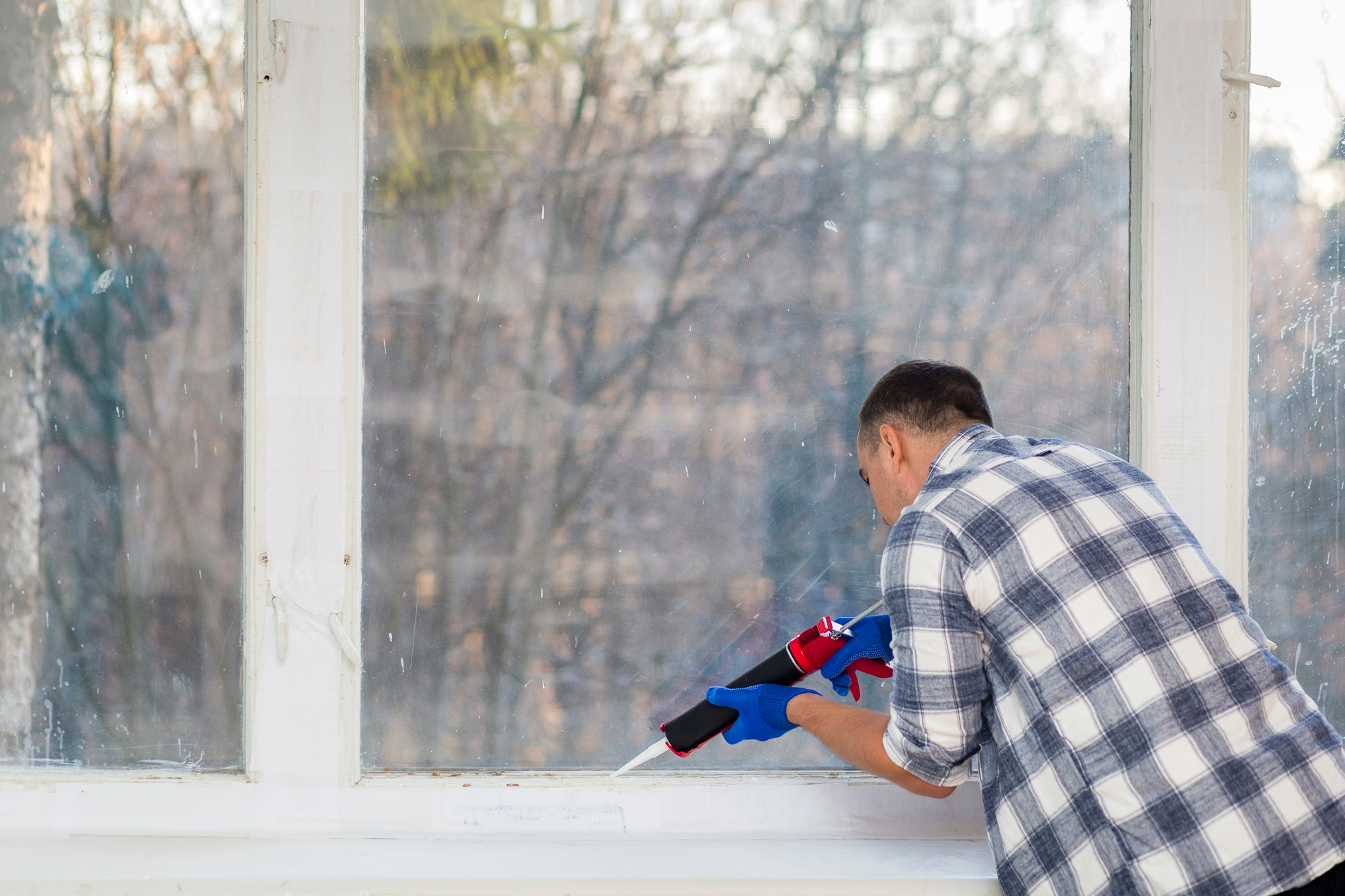
In these cases, a good siding repair can fix the problem and keep costs low. A pro can remove the broken piece, check the wall underneath, and snap in a new panel. If you like doing things yourself, a small repair can be a weekend project, though you need the right tools and some patience.
When Replacement Is the Smarter Choice
There are times when patching just keeps you chasing the problem. Replacement is often the better move when:
- Hail marks show up on multiple walls
- Many panels are cracked, split, or holed
- Your siding is old, faded, or already brittle
- The color or style is no longer made, so a match is hard to find
- You find water damage or rot behind the panels
- Repairs would cost almost as much as new siding
Think of it like a worn out pair of boots. You can patch a hole once or twice, but at some point, you are spending more time and money fixing than the boots are worth. The same goes for siding.
A Quick Comparison
| Situation | Best Choice |
|---|---|
| 1 to 5 damaged panels on one wall | Repair |
| Siding under 10 years old, light damage | Repair |
| Damage on three or more walls | Replace |
| Old, faded, brittle siding with hail marks | Replace |
| Moisture or rot found behind panels | Repair the wall first, then replace as needed |
| No color match available | Replace the wall or full house |
When you are not sure, a free inspection from a trusted contractor can give you a clear answer without any pressure.
The Color Match Problem
Here is something many homeowners do not think about until it is too late. Siding fades over time. A panel that is ten years old will look different from a brand new one, even if they started out as the same color. That means even a perfect repair can stand out like a bright patch on a faded shirt.
This is one big reason we care so much about color protection. Our siding with Chromatrix Technology uses a UV shield that helps lock color in, along with reflective pigments that bounce heat away. That means less fading and less warping over the years. If your siding is already faded, a full wall or full house replacement can give you a clean, even look instead of a patchwork one.
Hail Damage and Insurance: What You Need to Know
For many homeowners, the biggest question is not how to fix the siding but who pays for it. In many cases, homeowners insurance covers hail damage. Every policy is different, though, so take these as general tips and always read your own policy or ask your agent.
Step 1: Check Your Policy
Look for words like “wind and hail coverage,” “dwelling coverage,” and “deductible.” Some policies have a separate, higher deductible for wind and hail, often a percentage of your home’s value. Knowing this up front helps you decide whether a claim makes sense.
Step 2: Document Everything
Take clear photos and short videos of all the damage. Write down the date and time of the storm. Save weather reports if you can find them. The more proof you have, the smoother the process tends to be.
Step 3: Prevent More Damage
Most policies expect you to protect your home from further harm. If a panel is broken and exposed, covering it with a tarp or temporary patch is a smart move. Keep your receipts, because many policies reimburse these costs.
Step 4: File the Claim Quickly
Many insurance companies have time limits for storm claims, sometimes one year, sometimes less. Do not wait. Call your insurance company or agent, explain what happened, and ask what you need to send in.
Step 5: Meet With the Adjuster
An adjuster will visit your home to check the damage. It helps to have your photos, notes, and a written estimate from a contractor ready. Walk the adjuster around the house and point out every problem you found. Do not rush the visit.
Step 6: Get Your Own Estimate
An insurance estimate is not always the final word. You can get a quote from a local contractor you trust and compare the two. If the numbers are far apart, you can talk to your insurance company about the difference. A professional estimate that clearly explains the work, the materials, and the cost can help your case.
Step 7: Review the Payment
Once your claim is approved, you will receive payment, often in one or more checks. Make sure you understand what it covers and what it does not. Then choose your contractor and schedule the work.
Why Fast Action Matters
It is tempting to put hail damage on the back burner. Life is busy, the siding looks “mostly fine,” and the weather turns nice again. But waiting can hurt you in a few ways.
- Claim deadlines can pass. Missing the window may mean losing your coverage for the damage.
- Water sneaks in. Even small cracks let moisture reach the wall behind the siding.
- Damage gets worse. Freezing and thawing can turn a small crack into a big split.
- Repair costs climb. What could have been a simple panel swap may become a wall repair.
- Curb appeal drops. If you plan to sell, damaged siding can scare away buyers or lower offers.
The sooner you act, the more options you have.
What to Look For in Siding Repair Services
If you decide to hire help, you want the right team on the job. Not all siding repair services are the same, so here are some things worth checking.
- Local experience. A company that knows Indiana weather understands what your siding goes through.
- Clear, written estimates. You should know exactly what you are paying for, with no surprises.
- Willingness to work with insurance. A good contractor can give you the details your insurer needs, such as photos and itemized pricing.
- Quality materials. Ask about the siding brand, its color protection, and its weather resistance.
- A solid warranty. A strong warranty shows that a company stands behind its work.
- Good communication. You should feel comfortable asking questions and getting honest answers.
- A real showroom or office. It is easier to trust a company you can visit in person.
We know it is a big decision to let someone work on your home. If you want to see who we are and how we do business, you can read about our promise and our team.
Replacement Options After Hail Damage
If your home needs more than a patch, this can actually be a great chance to refresh the look of your house. Our team offers vinyl siding replacement in Fort Wayne built to stand up to harsh Midwest weather. Our siding has weather-resistant construction, advanced color protection, and an eco-conscious design.
Here are a couple of styles homeowners love.
- Board & Batten. This style gives you sharp vertical lines, deep shadow lines, and a low-gloss, cedar-look finish. It works well as the main siding on a whole home or as an accent on gables and entryways.
- Shake & Shingles. This style brings rustic coastal charm with real texture. It looks timeless and artisanal, yet it is built for modern weather.
Both options are low maintenance and made to last for decades. We also back our work with a Double Lifetime Warranty, so you can feel good about your investment long after the job is done. New siding can also help with noise reduction and wind resistance, which are nice bonuses on stormy days.
What to Expect During a Siding Project
Many homeowners feel nervous about starting a big project. Knowing the steps can ease that stress. Here is a simple picture of how it usually goes with our team.
- Free in-home consultation. One of our experts visits your home, looks at the damage, and listens to your goals.
- Clear estimate. We explain what we found and what we recommend, whether that is a repair or a replacement.
- Choosing your style and color. You pick the look that fits your home and your taste.
- Scheduling the work. We set a date that works for you.
- Installation. Our crew removes the damaged siding, checks the wall, and installs the new siding with care.
- Final walkthrough. We look over the finished work with you to make sure you love it.
Simple Ways to Protect Your Siding Before the Next Storm
You cannot stop hail, but you can lower the risk and be ready for it.
- Trim trees. Branches can scrape or snap and add to hail damage.
- Choose tougher siding. Thicker, high quality vinyl handles impact better than thin, cheap panels.
- Keep your siding clean. Dirt and mildew can weaken the surface over time.
- Check your policy each year. Make sure your coverage still fits your home and its value.
- Keep a photo record. Take pictures of your home in good shape. They can help show what changed after a storm.
- Do a post-storm walk. After every big storm, take a few minutes to look over your siding, gutters, and roof.
Conclusion
Hail damage on vinyl siding can feel like a big headache, but it does not have to be. Start by checking your home, taking clear photos, and talking to your insurance company early. Then decide whether a simple repair or a full replacement makes more sense for your home. If the damage is small and the rest of your siding is healthy, a repair may be all you need. If it is widespread, old, or hiding water damage, replacement is often the smarter, longer lasting choice.
You do not have to figure it all out alone. Our team at Hoosier Windows & Siding is ready to inspect your home, explain your options in plain words, and give you a clear estimate. Visit our contact page to schedule your free in-home consultation, call us at (260) 748-7980, or stop by our showroom at 1431 Production Road in Fort Wayne. Let us help you get your home back to looking its best.
Frequently Asked Questions
2. Does homeowners insurance cover hail damage on vinyl siding?
In many cases, yes. Most standard policies include wind and hail coverage, but details vary. Some policies have a separate wind and hail deductible. Read your policy or ask your agent to be sure.
3. Should I repair or replace hail damaged siding?
If only a few panels are damaged and the rest of your siding is in good shape, repair is often enough. If the damage is spread across several walls, or your siding is old and faded, replacement is usually the better choice.
4. How soon should I file a hail damage claim?
As soon as you can. Many insurance companies have time limits, and waiting can make it harder to prove the damage came from a specific storm. Taking photos and calling your insurer quickly is a smart move.
5. Can hail damage on vinyl siding be hard to see?
Yes. Small cracks and chips can be tricky to spot, especially from the ground. Looking at your siding in early morning or late afternoon light can help. A professional inspection is a good way to catch what you might miss.
A 70-year legacy of service in Fort Wayne.



Request a Quote
Related Articles
How Long Does a Roof Replacement Take?
You have decided it is time for a new roof. Maybe you spotted missing shingles after a storm, or maybe the leaks finally got too annoying to ignore. Now the big question hits: how long will strangers be on top of your house, and how long will your life be turned...
Sliding Screen Door Replacement Guide for Homeowners
Sliding screen door replacement is one of those home jobs that sneaks up on you. One day the screen glides open with a gentle push. A few months later, it squeaks, sticks, and jumps off its track every time the kids run outside. If that sounds familiar, you are not...
When Should You Replace Windows in Your House?
Windows quietly do a lot of work for your home. They keep the weather out, let natural light in, and play a bigger role in your energy bills than most homeowners realize. But like anything else in your house, windows do not last forever. The tricky part is knowing...