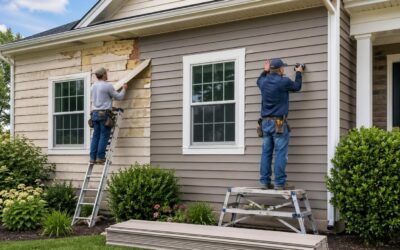


Vinyl siding remains one of the most popular exterior cladding options for homeowners because it is durable, attractive, and relatively low maintenance. However, many homeowners mistakenly assume that vinyl siding requires no upkeep at all. While it is true that vinyl siding is easier to care for than many other exterior materials, regular maintenance is still essential to preserve its appearance, extend its lifespan, and prevent expensive repairs.
Understanding how to maintain vinyl siding can help you protect your home’s exterior from dirt buildup, moisture issues, mold growth, and weather-related damage. By following a proactive maintenance routine, you can keep your siding looking fresh and functioning properly for years.
Homeowners who invest in regular exterior maintenance often experience fewer repair expenses and better long-term performance. Working with experienced professionals such as trusted exterior remodeling experts can also help ensure your siding continues to provide lasting protection and curb appeal.
Why Vinyl Siding Maintenance Matters
Although vinyl siding is designed to withstand various weather conditions, it is constantly exposed to environmental elements. Rain, wind, pollen, dust, algae, and moisture can gradually affect its appearance and integrity.
Routine maintenance offers several benefits:
- Prevents premature deterioration
- Preserves curb appeal
- Reduces repair costs
- Extends siding lifespan
- Improves energy efficiency
- Helps identify minor issues before they become major problems
Knowing how to maintain vinyl siding allows homeowners to address potential concerns early and avoid extensive restoration projects in the future.
Inspect Your Vinyl Siding Regularly
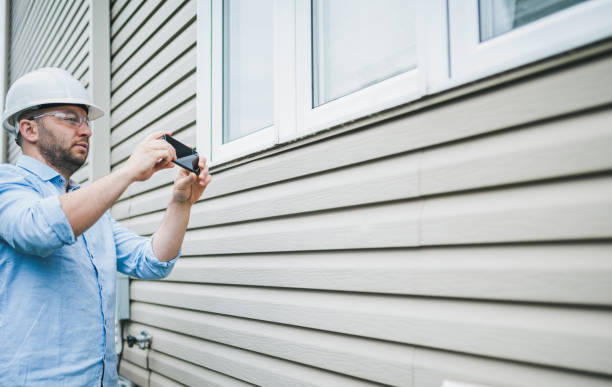
One of the most effective maintenance habits is conducting regular visual inspections. Walk around your home several times throughout the year and carefully examine the siding.
Look for:
- Cracks or holes
- Loose panels
- Warping
- Moisture damage
- Discoloration
- Mold or mildew growth
- Gaps around windows and doors
Early detection can prevent water infiltration and structural damage. Seasonal inspections are especially important after storms, high winds, or extreme temperature changes.
Cleaning Siding Tips for Long-Term Performance
One of the most important aspects of how to maintain vinyl siding is keeping it clean. Dirt and debris can accumulate over time, creating an unattractive appearance and potentially contributing to mold growth.
These practical cleaning siding tips can help homeowners maintain a clean exterior:
Use a Soft-Bristle Brush
For routine cleaning, use a soft-bristle brush attached to an extension pole. This helps remove surface dirt without damaging the siding.
Wash From Bottom to Top
When applying cleaning solutions, start from the bottom and work upward. This technique helps reduce streaking and ensures more even coverage.
Rinse Thoroughly
After scrubbing, rinse thoroughly using a garden hose. Proper rinsing removes cleaning residue and prevents staining.
Avoid Harsh Chemicals
Strong solvents and abrasive cleaners can damage vinyl siding surfaces. Choose manufacturer-approved cleaning products whenever possible.
Clean Annually
Most homes benefit from a thorough exterior cleaning at least once per year. Properties surrounded by trees or exposed to heavy pollen may require more frequent washing.
Following these cleaning siding tips helps preserve appearance and prevents contaminants from causing long-term issues.
How to Prevent Mold Siding Problems
Moisture is one of the biggest threats to any exterior surface. Areas with limited sunlight, poor drainage, or excessive humidity can create ideal conditions for mold and mildew growth.
Homeowners should take proactive measures to prevent mold siding issues before they become serious.
Improve Drainage Around the Home
Ensure gutters and downspouts direct water away from the foundation and siding. Standing water increases moisture exposure and encourages mold development.
Trim Vegetation
Trees, shrubs, and landscaping that touch the siding can trap moisture against exterior surfaces. Maintain adequate clearance around the home to improve airflow.
Remove Organic Debris
Leaves, dirt, and mulch accumulation near the siding can retain moisture. Regular cleanup helps reduce mold-friendly conditions.
Address Leaks Quickly
Leaking gutters, roof issues, or damaged flashing can allow water to penetrate behind siding panels. Prompt repairs help prevent mold siding concerns and structural damage.
Increase Sunlight Exposure
Where possible, trim overgrown vegetation that blocks sunlight from reaching exterior walls. Sunlight naturally helps dry moisture-prone areas.
Proper Pressure Washing Practices
Many homeowners use pressure washers to clean siding, but improper techniques can cause damage.
If using a pressure washer:
- Use low-pressure settings
- Maintain a safe distance
- Spray downward rather than upward
- Avoid forcing water behind panels
- Follow manufacturer recommendations
Excessive pressure can loosen siding panels and create opportunities for water intrusion. For many situations, a garden hose and mild cleaning solution provide sufficient results.
Watch for Signs of Aging Vinyl Siding
Even with proper maintenance, siding eventually shows signs of wear. Recognizing these indicators can help homeowners plan repairs or replacement before major issues develop.
Common warning signs include:
- Persistent fading
- Frequent cracking
- Warping
- Increased energy bills
- Loose or rattling panels
- Water infiltration
If your siding exhibits multiple signs of deterioration, it may be time to explore professional vinyl siding replacement solutions to restore protection and appearance.
Seasonal Vinyl Siding Maintenance Checklist
A seasonal maintenance approach helps homeowners stay ahead of potential problems.
Spring
- Inspect for winter damage
- Wash siding surfaces
- Check gutters and downspouts
- Remove accumulated debris
Summer
- Examine for warping from heat exposure
- Trim vegetation
- Monitor moisture-prone areas
Fall
- Clear leaves and organic material
- Inspect caulking and seals
- Prepare siding for winter weather
Winter
- Monitor for ice dams
- Remove excessive snow buildup near walls
- Check for wind-related damage after storms
This routine supports effective how to maintain vinyl siding practices throughout the year.
Protecting Vinyl Siding From Physical Damage
While vinyl siding is durable, it is not indestructible. Various household activities can unintentionally damage siding panels.
To minimize risks:
- Keep grills away from exterior walls
- Use caution with lawn equipment
- Avoid leaning heavy objects against siding
- Monitor children’s play areas
- Trim tree branches that may scrape surfaces
Preventing impact damage helps preserve siding integrity and reduce repair costs.
The Importance of Professional Inspections
Although routine homeowner inspections are valuable, professional evaluations can identify issues that may not be immediately visible.
Experienced siding specialists can assess:
- Hidden moisture damage
- Structural concerns
- Ventilation problems
- Installation defects
- Long-term wear patterns
Homeowners seeking dependable guidance can learn more about the dedicated home improvement team that has built a reputation for quality workmanship and customer satisfaction.
Common Vinyl Siding Maintenance Mistakes to Avoid
Many costly repairs result from avoidable maintenance mistakes.
Ignoring Small Cracks
Minor damage can quickly expand when exposed to weather conditions.
Delaying Mold Removal
Failing to prevent mold siding growth allows moisture issues to spread and potentially affect underlying structures.
Using Abrasive Tools
Steel brushes and harsh scrubbing materials can scratch and damage siding surfaces.
Neglecting Annual Cleaning
Skipping routine cleaning allows contaminants to accumulate and accelerate wear.
Overusing Pressure Washers
Improper pressure washing techniques can force water behind siding and create hidden moisture problems.
Avoiding these mistakes can significantly extend the life of your siding system.
How Regular Maintenance Helps Avoid Costly Repairs
The primary goal of understanding how to maintain vinyl siding is preventing expensive repairs and premature replacement.
Consistent maintenance provides:
- Better weather protection
- Reduced moisture intrusion
- Lower repair costs
- Improved appearance
- Longer siding lifespan
- Enhanced home value
Simple actions such as applying effective cleaning siding tips, performing inspections, and taking steps to prevent mold siding problems can save homeowners thousands of dollars over time.
Conclusion
Vinyl siding offers excellent durability and aesthetic appeal, but it still requires regular attention to perform at its best. Homeowners who understand how to maintain vinyl siding can significantly reduce the likelihood of costly repairs while protecting their investment for years to come.
By following proven cleaning siding tips, conducting routine inspections, and taking proactive steps to prevent mold siding growth, you can keep your home’s exterior attractive, efficient, and structurally sound.
If you’re looking for expert guidance, maintenance assistance, or siding replacement options, contact the siding professionals today to discuss the best solution for your home’s needs.
Frequently Asked Questions
What is the best way to maintain vinyl siding?
The best approach to how to maintain vinyl siding includes regular inspections, annual cleaning, moisture control, vegetation management, and prompt repairs when damage is detected.
Can mold damage vinyl siding?
While mold may not immediately damage vinyl itself, prolonged growth can lead to staining, moisture problems, and hidden structural concerns behind the siding.
What are the most effective cleaning siding tips?
Some of the best cleaning siding tips include using a soft-bristle brush, applying mild cleaning solutions, rinsing thoroughly, and avoiding abrasive chemicals or tools.
How can homeowners prevent mold siding growth?
Homeowners can prevent mold siding issues by improving drainage, cleaning regularly, trimming vegetation, removing debris, and addressing water leaks promptly.
When should vinyl siding be replaced?
Replacement may be necessary when siding shows extensive cracking, warping, fading, water infiltration, or repeated repair needs that affect overall performance.