

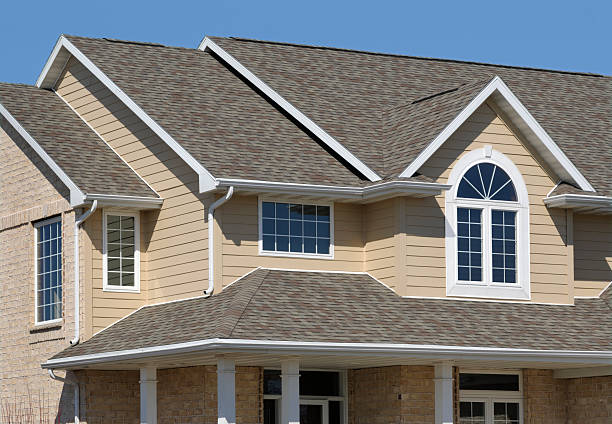
Choosing the right roofing material is one of the most important decisions homeowners can make when protecting their property. A roof serves as the first line of defense against harsh weather, moisture, temperature changes, and long-term structural damage. Because roofing systems impact energy efficiency, durability, maintenance costs, and curb appeal, selecting the right material requires careful consideration.
Many homeowners researching roof replacement options ask the same question: what is the best roofing material Fort Wayne Indiana homeowners should choose for long-term protection and value? The answer depends on several factors, including budget, climate conditions, maintenance expectations, energy efficiency goals, and the lifespan of the roofing material itself.
Modern roofing systems are designed to provide improved durability, weather resistance, and long-term performance. However, each roofing material offers unique advantages and disadvantages depending on the specific needs of the homeowner.
Homeowners often work with experienced roofing professionals to better understand which roofing systems provide the best balance of durability, energy efficiency, weather resistance, and long-term value.
This guide compares popular roofing materials, explains asphalt vs metal roof Indiana considerations, explores weather resistance performance, and helps homeowners determine which roofing option best fits their property and long-term goals.
Why Roofing Material Selection Matters
Roofing material affects far more than appearance alone. The type of roof installed on a home directly impacts:
- Structural protection
- Energy efficiency
- Maintenance costs
- Lifespan
- Storm resistance
- Property value
A poorly chosen roofing system may require frequent repairs or fail prematurely under changing weather conditions.
High-quality roofing materials help protect homes from moisture infiltration, temperature fluctuations, and long-term structural deterioration.
Choosing the right roofing material helps homeowners reduce future repair costs while improving long-term property performance.
Understanding Common Roofing Material Options
Today’s homeowners have several roofing materials to choose from, each offering different benefits.
The most common residential roofing materials include:
- Asphalt shingles
- Metal roofing
- Wood shingles
- Slate roofing
- Synthetic roofing systems
Among these options, asphalt and metal roofing remain two of the most popular choices because of their balance between cost, performance, and durability.
Asphalt Roofing: The Most Common Residential Choice
Asphalt shingles remain one of the most widely used roofing materials in residential construction.
Benefits of asphalt roofing include:
- Affordable installation costs
- Wide design selection
- Easy maintenance
- Reliable performance
- Strong availability
Modern asphalt shingles are available in multiple colors, styles, and thickness levels to match different home designs.
High-quality architectural shingles also provide improved weather resistance and longer lifespans compared to older three-tab shingles.
For many homeowners, asphalt roofing offers an excellent balance between affordability and performance.
Metal Roofing: A Growing Long-Term Investment
Metal roofing has become increasingly popular among homeowners seeking maximum durability and energy efficiency.
Benefits of metal roofing include:
- Long lifespan
- Strong weather resistance
- Fire resistance
- Energy efficiency
- Minimal maintenance
Metal roofing systems are designed to withstand harsh weather conditions while resisting moisture damage, cracking, and corrosion.
Although metal roofing often involves higher upfront costs, many homeowners appreciate its long-term durability and lower maintenance requirements.
Asphalt vs Metal Roof Indiana: Key Differences
One of the most common roofing comparisons homeowners make involves asphalt vs metal roof Indiana performance.
Both roofing systems provide advantages, but each performs differently depending on homeowner priorities.
Asphalt Roof Advantages
Asphalt roofing offers:
- Lower installation costs
- Faster installation
- Easier repairs
- Traditional appearance options
Many homeowners choose asphalt roofing because it provides reliable protection without the higher initial investment associated with metal systems.
Metal Roof Advantages
Metal roofing provides:
- Longer lifespan
- Superior weather resistance
- Better energy efficiency
- Reduced maintenance needs
Metal roofing also performs especially well in areas experiencing seasonal temperature fluctuations and severe weather exposure.
The right choice depends on budget, long-term plans, and maintenance expectations.
Why Weather Resistance Matters
Weather resistance is one of the most important considerations when selecting roofing materials.
Roofs must endure:
- Heavy rain
- Snow accumulation
- Wind exposure
- Temperature fluctuations
- UV radiation
High-quality roofing systems are designed to resist moisture infiltration, wind uplift, and thermal expansion over time.
Strong weather resistance helps extend roof lifespan while reducing repair risks.
How Roofing Materials Affect Energy Efficiency
Roofing systems play a significant role in overall home energy performance.
Energy-efficient roofing materials help:
- Reduce heat transfer
- Improve indoor comfort
- Lower heating and cooling costs
- Reduce HVAC strain
Metal roofing often reflects solar heat more effectively than traditional asphalt shingles, improving summer energy performance.
However, modern asphalt shingles can also provide strong insulation and energy-saving benefits when paired with proper attic ventilation.
Roof Lifespan Comparisons
Roof lifespan varies significantly depending on the material selected.
Asphalt Roofing Lifespan
Most asphalt roofs last:
- 20 to 30 years for architectural shingles
- 15 to 20 years for standard shingles
Metal Roofing Lifespan
Metal roofing systems often last:
- 40 to 70 years depending on materials and installation quality
Longer-lasting roofs may provide greater long-term value despite higher upfront installation costs.
Maintenance Requirements for Different Roof Types
Maintenance needs differ between roofing materials.
Asphalt Roof Maintenance
Asphalt roofs may require:
- Periodic shingle replacement
- Storm inspections
- Moss or algae cleaning
Metal Roof Maintenance
Metal roofs generally require:
- Occasional inspections
- Fastener checks
- Surface cleaning
Many homeowners prefer roofing systems with lower long-term maintenance requirements.
Why Proper Roof Installation Matters
Even the highest-quality roofing material can fail if installation is not performed correctly.
Professional installation helps ensure:
- Proper ventilation
- Secure fastening systems
- Moisture protection
- Structural stability
- Long-term durability
Poor installation may lead to:
- Roof leaks
- Wind damage
- Premature aging
- Structural deterioration
Homeowners researching roofing upgrades often explore professional roof replacement services to ensure proper installation standards and long-term performance.
Storm Resistance and Roof Performance
Storm resistance is increasingly important for modern homeowners.
High-quality roofing systems are designed to withstand:
- High winds
- Impact exposure
- Moisture infiltration
- Snow loads
Metal roofing generally offers superior wind resistance and impact durability compared to standard asphalt shingles.
However, premium asphalt shingles can also provide strong storm protection when professionally installed.
Roof Appearance and Curb Appeal
Roofing materials greatly influence overall home appearance.
Homeowners should consider:
- Color options
- Architectural style
- Texture
- Long-term visual performance
Modern roofing products are available in a wide range of finishes and styles designed to complement different home designs.
Both asphalt and metal roofs can significantly improve curb appeal when properly selected and installed.
Cost Considerations for Roofing Materials
Budget remains one of the biggest factors influencing roofing decisions.
Asphalt Roofing Costs
Asphalt roofs generally involve:
- Lower upfront costs
- Faster installation
- Lower material expenses
Metal Roofing Costs
Metal roofs typically involve:
- Higher initial investment
- Longer lifespan
- Reduced maintenance expenses
While metal roofing costs more initially, many homeowners view it as a long-term investment because of its durability and longevity.
Signs It May Be Time to Replace Your Roof
Several warning signs may indicate roof replacement is necessary.
Common indicators include:
- Missing shingles
- Roof leaks
- Curling or cracked shingles
- Sagging roof areas
- Rising energy bills
- Visible storm damage
Replacing an aging roof helps protect the home from structural damage while improving energy efficiency and curb appeal.
Choosing the Right Roofing Contractor
Selecting the right roofing contractor is essential for long-term roof performance.
Homeowners should evaluate:
- Installation experience
- Licensing and insurance
- Warranty coverage
- Customer reviews
- Material expertise
Experienced roofing professionals help homeowners choose the best roofing systems based on property needs, budget, and long-term goals.
Homeowners interested in learning more about roofing experience and company standards can explore the Hoosier Windows team overview for additional information.
Why Professional Roofing Expertise Matters
Roof replacement is a major investment requiring expert planning and installation. Experienced roofing professionals understand material performance, weather resistance, structural considerations, ventilation systems, and installation best practices. Choosing skilled contractors helps maximize roof performance and long-term durability while reducing the risk of premature repairs or installation-related issues.
Conclusion
Choosing the best roofing material Fort Wayne Indiana homeowners can rely on requires balancing durability, weather resistance, cost, maintenance, and long-term value. Both asphalt and metal roofing systems offer strong advantages, but the ideal solution depends on the homeowner’s goals, budget, and property needs.
When comparing asphalt vs metal roof Indiana options, homeowners should evaluate lifespan, maintenance requirements, energy efficiency, and storm resistance carefully before making a final decision.
Modern roofing systems provide stronger weather resistance, improved energy efficiency, and better long-term protection than ever before.
If you are planning a roof replacement or exploring roofing material options, visit the Hoosier Windows contact page to connect with experienced roofing professionals today.
Frequently Asked Questions
Is metal roofing better than asphalt shingles?
Metal roofing generally lasts longer and offers stronger weather resistance, while asphalt shingles provide lower upfront installation costs.
How long do asphalt roofs last?
Architectural asphalt shingles typically last 20 to 30 years depending on installation quality and maintenance.
How long do metal roofs last?
Metal roofing systems often last 40 to 70 years when professionally installed and maintained properly.
Which roofing material offers better weather resistance?
Metal roofing usually provides stronger resistance against wind, moisture, and impact exposure.